XPeng puts founder in charge as robot push moves toward production
XPeng is reorganizing its robotics operation and putting more of the company’s leadership muscle behind humanoid robots, the latest sign that Chinese electric vehicle makers see the next industrial race extending beyond cars.
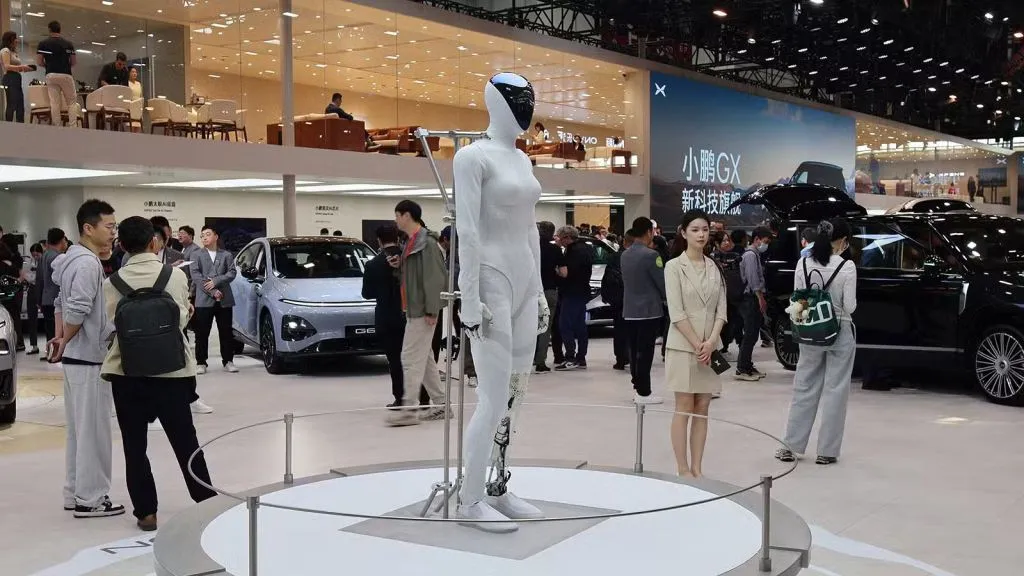
The company’s robotics center has added nine second-tier departments as it prepares for mass production of its IRON humanoid robot, CnEVPost reported Friday, citing a report by Chinese business outlet 21jingji. Chairman and CEO He Xiaopeng is now also heading the unit’s product department after earlier saying he would personally act as “CEO” of the robotics business.
The new structure includes teams for embodied systems engineering, foundation models, brand marketing, control and safety, embodied intelligence, data closed-loop systems, product matrix and project management, according to the report. The reshuffle is meant to pull together XPeng’s hardware, artificial intelligence, manufacturing, supply chain and marketing resources as the company moves from demonstrations to production.
XPeng has said it aims to begin mass production and initial deliveries of advanced humanoid robots in the fourth quarter of 2026. It plans to place the robots in its offline stores in China as shopping guides in the first quarter of 2027, expand overseas in the second quarter and eventually push into ordinary households in 2028.
The company’s official materials say IRON has been progressing toward a mass-production-ready version and is poised to enter joint hardware-software integration, with robots expected to start working in XPeng retail outlets in early 2027.
Automakers race to turn AI into machines that work
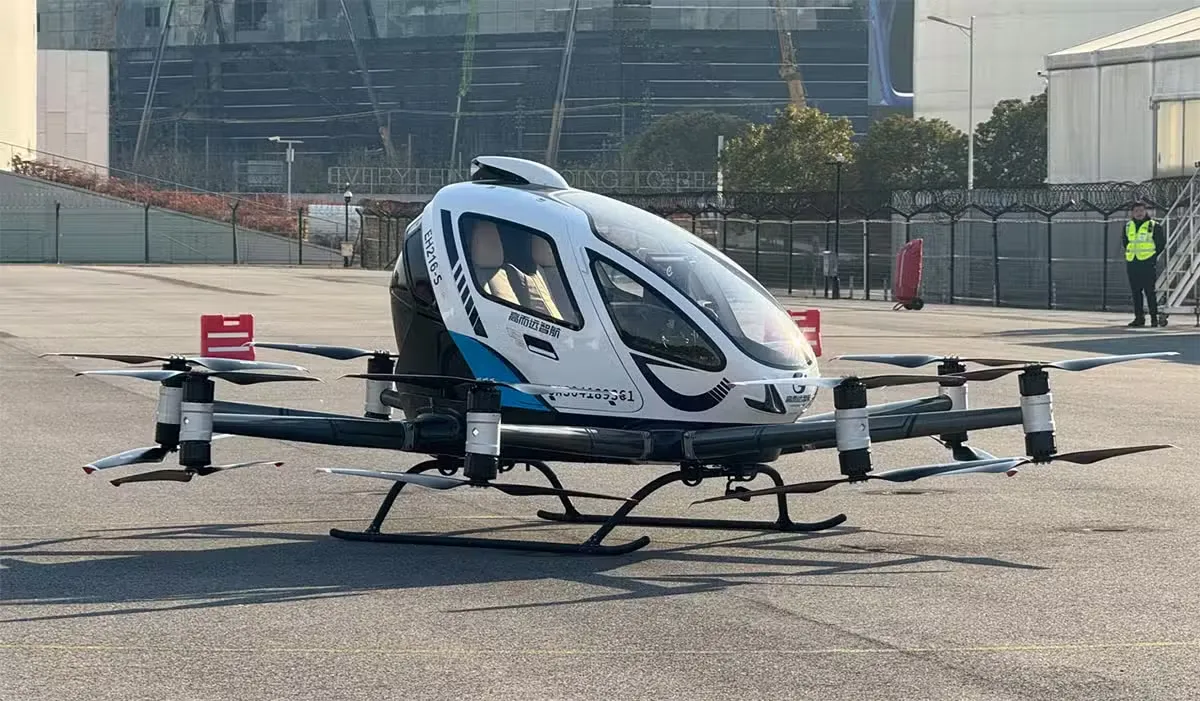
XPeng is trying to use capabilities developed for smart vehicles in a new field it calls “physical AI.” Its official 2025 AI Day announcement described XPeng as shifting from a future mobility explorer to a company building embodied intelligence systems, unveiling VLA 2.0, robotaxis, the next-generation IRON and flying-car systems as part of the same strategy.
IRON is powered by three XPeng Turing AI chips with 2,250 TOPS of computing power, according to XPeng and CnEVPost. The robot attracted attention after a catwalk-style demonstration in November, when its lifelike gait prompted some viewers to question whether a person was inside. XPeng later showed mechanical parts beneath the robot’s exterior to dispel the speculation.
The business case remains unproven. Humanoid robots are expensive, technically difficult and still prone to public mishaps, including a fall by IRON during a February showcase. He responded by comparing the incident to a child learning to walk, underscoring how far the industry remains from reliable everyday deployment.
Still, XPeng is not alone. Li Auto has reorganized parts of its intelligence division around humanoid robots and foundation models, while BYD has discussed using humanoid robots in showrooms and industrial automation. Tesla is also pursuing Optimus. For Chinese automakers, the attraction is clear: factories, supply chains, batteries, sensors, AI training infrastructure and safety systems built for vehicles may also help them manufacture robots at scale.
XPeng’s reorganization suggests the company believes 2026 will be less about stage performances and more about delivery schedules. The challenge now is whether IRON can move from a convincing walk to a useful job.