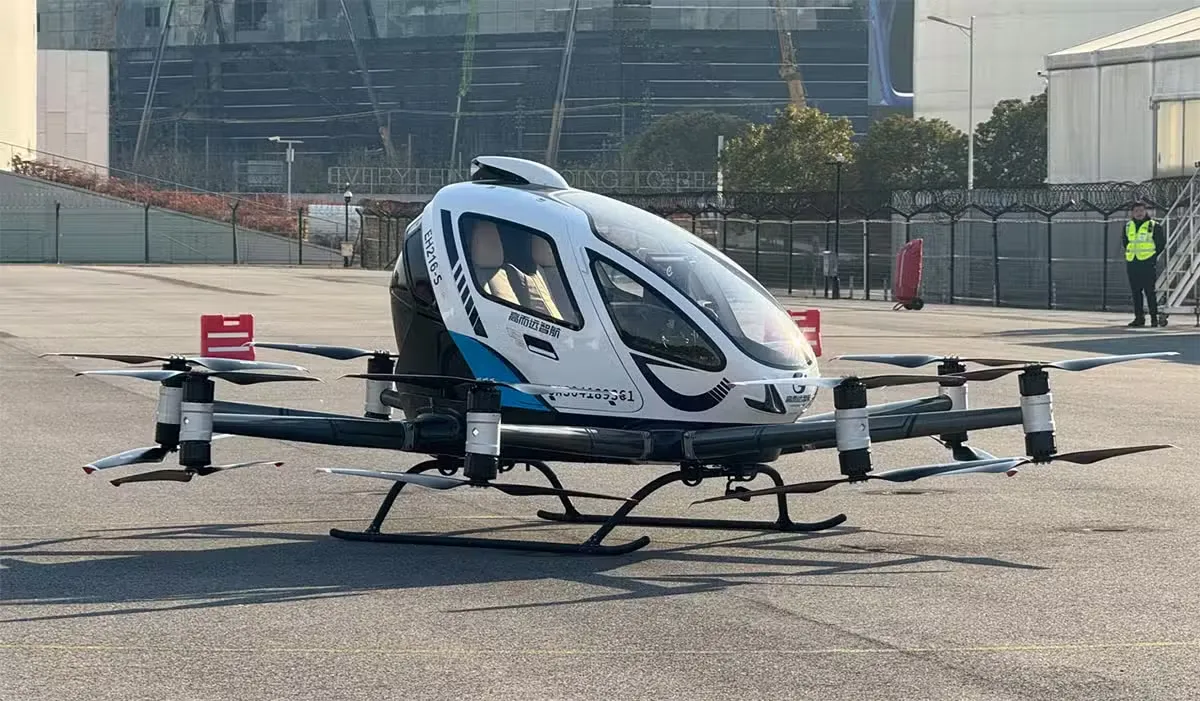
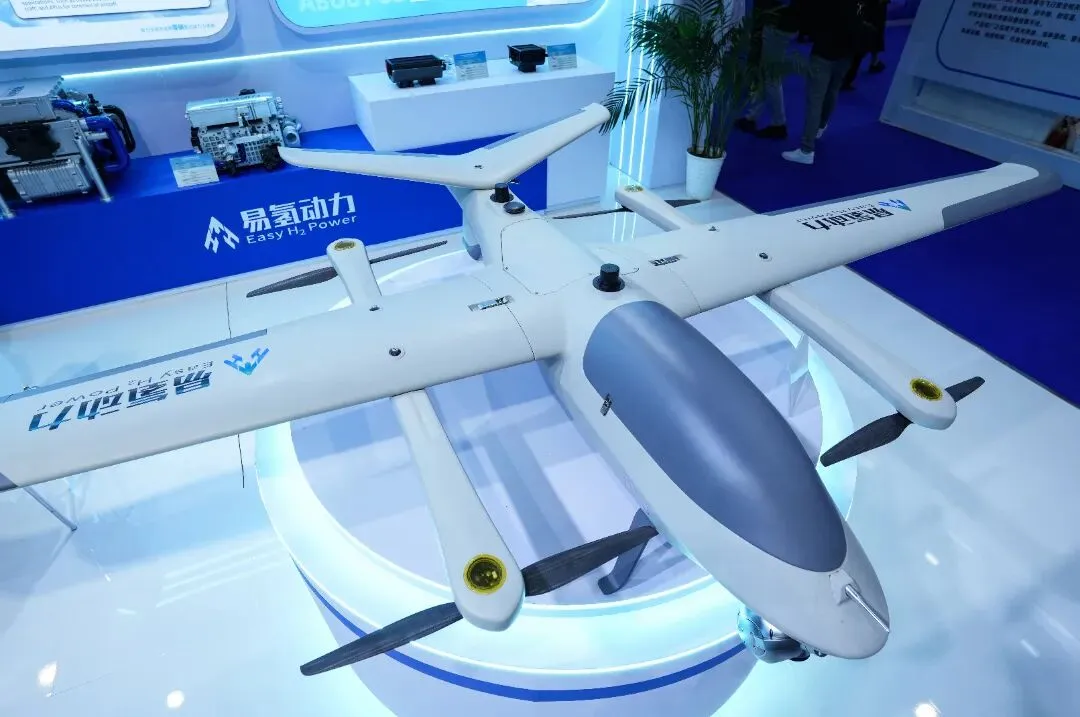
A Tsinghua University PhD team has engineered a scalable hydrogen fuel cell heart capable of powering aircraft, demonstrating a critical step toward sustainable aviation power.
Aircraft-Grade Hydrogen Power Breakthrough
The startup spun out from this research, easyh2power, unveiled its novel fuel cell technology capable of scaling from 30kW liquid-cooled systems to robust 300kW aviation-grade units. This development addresses a significant bottleneck in the transition to hydrogen propulsion within the aerospace sector.
The core innovation lies in designing a fuel cell stack that maintains high efficiency and reliability while accommodating the specific operational demands of aircraft engines. Traditional hydrogen systems often struggle with size, weight, and power density requirements necessary for flight applications. easyh2power’s solution reportedly achieves these benchmarks through advanced engineering.
The technology is specifically designed to interface seamlessly into existing or next-generation aircraft architectures. By achieving a 300kW capacity, the system moves beyond small, auxiliary power units and enters the domain of primary propulsion components for smaller commercial or specialized aircraft. This scalability is the linchpin of its strategic importance.
The research team leveraged deep expertise in materials science and electrochemistry to overcome degradation issues common in high-power hydrogen fuel cells under cyclic flight conditions. The integration of liquid cooling, a key feature mentioned in the technical brief, ensures thermal management remains within acceptable parameters for sustained operation at higher power outputs.
This work represents substantial academic transfer into commercial viability. The transition from laboratory demonstration to an aviation-grade component signifies that the technology has passed rigorous developmental hurdles associated with aerospace qualification processes.
Implications for Sustainable Aviation Fuel Transition
The successful development of this scalable fuel cell system positions easyh2power as a significant contender in the nascent hydrogen aviation market. While Sustainable Aviation Fuels (SAF) derived from jet fuel are one pathway to decarbonization, hydrogen offers a zero-emission combustion alternative at the point of use.
Adoption of hydrogen propulsion requires not only efficient power generation but also infrastructure readiness for onboard storage and delivery. This fuel cell unit provides a high-efficiency solution for converting stored hydrogen into usable electrical energy to drive electric motors in aircraft.
The clinical nature of the development—moving from 30kW bench tests to 300kW flight-ready modules—demonstrates a focused engineering pathway toward commercialization. The involvement of Tsinghua University lends significant institutional credibility and validation to the underlying scientific principles.
Industry analysts view this type of breakthrough as pivotal because it tackles power density, which is often the limiting factor in electric aircraft design. A lightweight, powerful fuel cell stack directly translates to increased payload capacity or extended range for an aircraft platform.
Further validation will require extensive flight testing and certification by aviation regulatory bodies, but the foundational engineering achievement detailed by easyh2power represents a major inflection point in the pursuit of truly green aerospace mobility.