
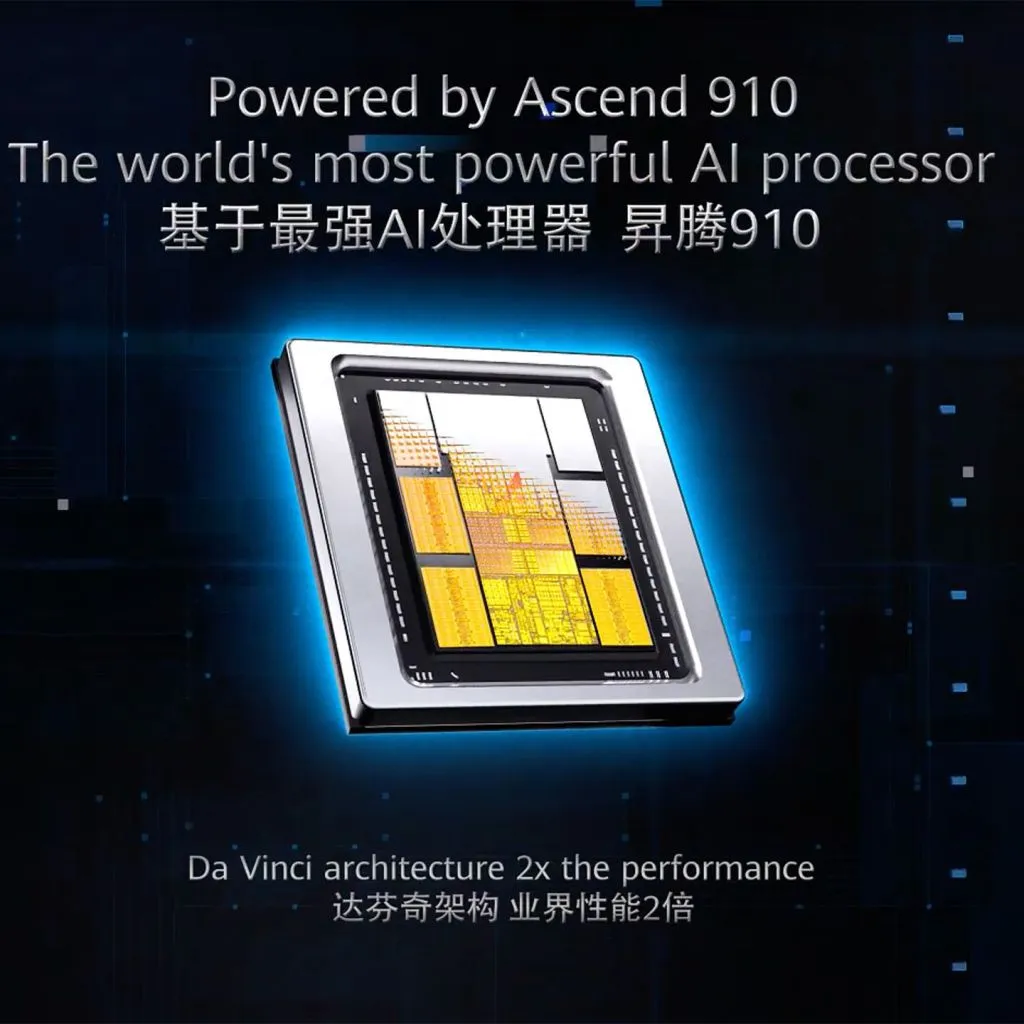
Huawei is set to release a new Ascend 950DT AI chip annually, boasting double the computing power of its predecessor in a strategic move aimed at solidifying its position in advanced semiconductor technology.
Accelerating AI Hardware Innovation
The company's commitment involves a predictable annual cadence for hardware upgrades, signaling an aggressive roadmap designed to keep pace with rapidly evolving global artificial intelligence demands. This consistent doubling of computational capability per release represents a significant leap in processing density and efficiency within their dedicated silicon architecture.
This ongoing technological progression directly addresses the escalating computational requirements of sophisticated AI models, including large language models and complex deep learning applications. By doubling performance year over year, Huawei is effectively compressing years of potential development into discrete annual product cycles, a pace few competitors are matching.
The underlying strategy appears to be twofold: first, to maintain technological leadership within China's burgeoning domestic AI ecosystem; and second, to establish a globally competitive footprint despite ongoing geopolitical pressures affecting semiconductor supply chains. The chips are engineered not merely for raw speed but also for optimized inference capabilities, which is critical for deploying AI solutions in real-world enterprise environments.
Sources indicate that the design philosophy centers on maximizing energy efficiency alongside performance gains. Doubling compute power while managing thermal output and power consumption remains a primary engineering hurdle in advanced chip fabrication, suggesting Huawei has made substantial breakthroughs in process node utilization and architectural optimization.
Strategic Implications for the Tech Landscape
The consistent unveiling of superior AI hardware positions Huawei as a critical enabler for China's broader digital transformation initiatives. These custom-designed chips are tailored to meet specific national technological goals, providing local industries with high-performance computing resources without absolute reliance on external suppliers.
This internal capability development mitigates the risks associated with international trade restrictions that have previously impacted Huawei’s access to cutting-edge Western chip technology. By mastering the design and scaling of its own AI accelerators, the company is building a more resilient technological backbone for its domestic market penetration.
The introduction of these high-performance chips will drive innovation across various sectors, including autonomous driving, advanced manufacturing, and intelligent surveillance systems. For enterprise users, this translates directly into faster processing times for data analysis and significantly quicker deployment cycles for AI-driven services.
Analysts view this annual doubling trajectory not just as a product update cycle but as a declaration of intent regarding technological self-sufficiency. The continuous improvement in core computational metrics—power per operation, throughput, and latency reduction—places Huawei at the forefront of localized, high-density AI processing solutions globally.