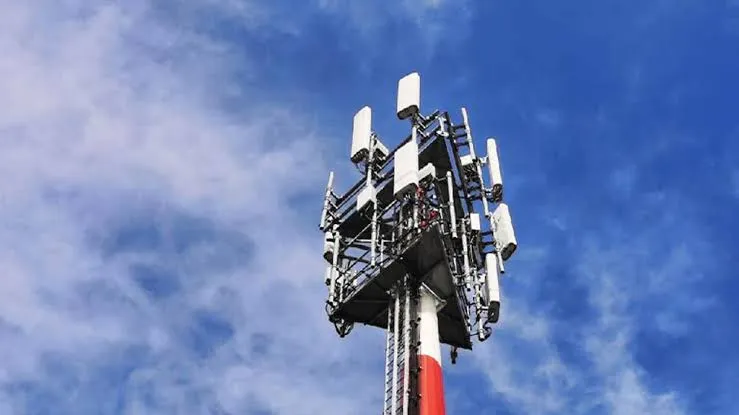
The European Union faces a potential €40 billion expenditure to fully remove Huawei 5G technology from its critical infrastructure, according to recent analyses of the mandated security divestment.
Financial Implications of Divestiture
This substantial financial burden arises from the complex process required to replace existing Huawei equipment across member states' networks following increased geopolitical scrutiny regarding Chinese technology vendors. The decision to decouple 5G networks from Huawei components, driven by national security concerns within EU governments, necessitates massive capital reallocation.
The cost projection encompasses not only the hardware procurement for replacement systems but also the associated integration, testing, and operational overhaul required to maintain network integrity during the transition period. Industry experts suggest that while some nations may absorb these costs internally through state-backed carriers, others will require significant governmental subsidies to mitigate consumer and business impacts.
Furthermore, the timeline for this removal remains fluid; regulatory requirements are constantly being refined as member states implement their respective national security frameworks. The EU's current policy stance balances the imperative of technological sovereignty against the economic reality of disrupting established supply chains reliant on Huawei’s advanced components.
The transition is not merely a matter of swapping hardware; it involves deep architectural changes to network operations. Replacing sophisticated, integrated systems requires substantial expertise and time, adding layers of operational expenditure beyond the initial purchase price of competing equipment.
Strategic Landscape of EU Telecom Policy
The pressure on the EU stems from escalating tensions between Western powers and Beijing concerning technological dominance and data security within vital communications networks. Huawei's role in 5G deployment made it a central point of contention, as its perceived ties to the Chinese state raised alarms among European intelligence agencies.
This strategic dilemma forces EU policymakers into a difficult position: either maintain reliance on a vendor deemed potentially susceptible to external influence or incur massive financial and logistical costs to enforce complete technological decoupling. The €40 billion figure represents the quantifiable cost of prioritizing perceived security over immediate economic efficiency.
Competitors, including Ericsson and Nokia, stand to gain market share from this mandated shift, but they too face challenges related to scaling production rapidly enough to meet the sudden, massive demand generated by EU divestment mandates. The competitive landscape is thus being reshaped under intense regulatory pressure.
The ultimate success of the EU’s strategy hinges on its ability to establish a resilient, diversified technological ecosystem that can withstand geopolitical headwinds without crippling digital infrastructure costs for businesses and citizens across the bloc.