China’s electrical grid is struggling to absorb its massive influx of renewable energy, signaling a critical bottleneck in the nation's green transition efforts.
Grid Strain Outpaces Green Capacity Growth
A recent study indicates that China's power infrastructure is failing to keep pace with the exponential expansion of installed green energy capacity, creating systemic stress on the national grid. This disparity presents a significant operational challenge as Beijing continues its aggressive push toward decarbonization targets.
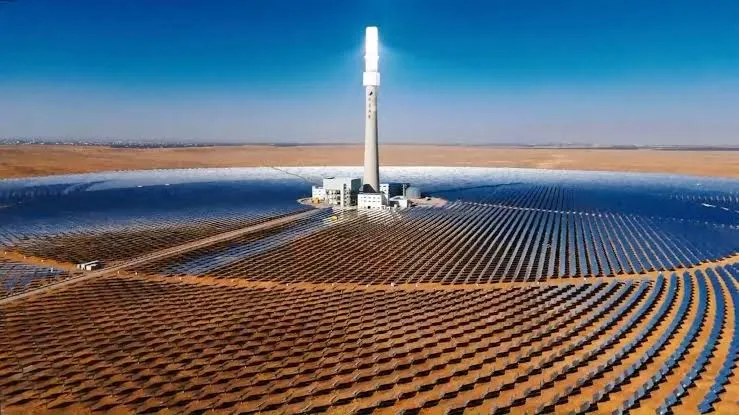
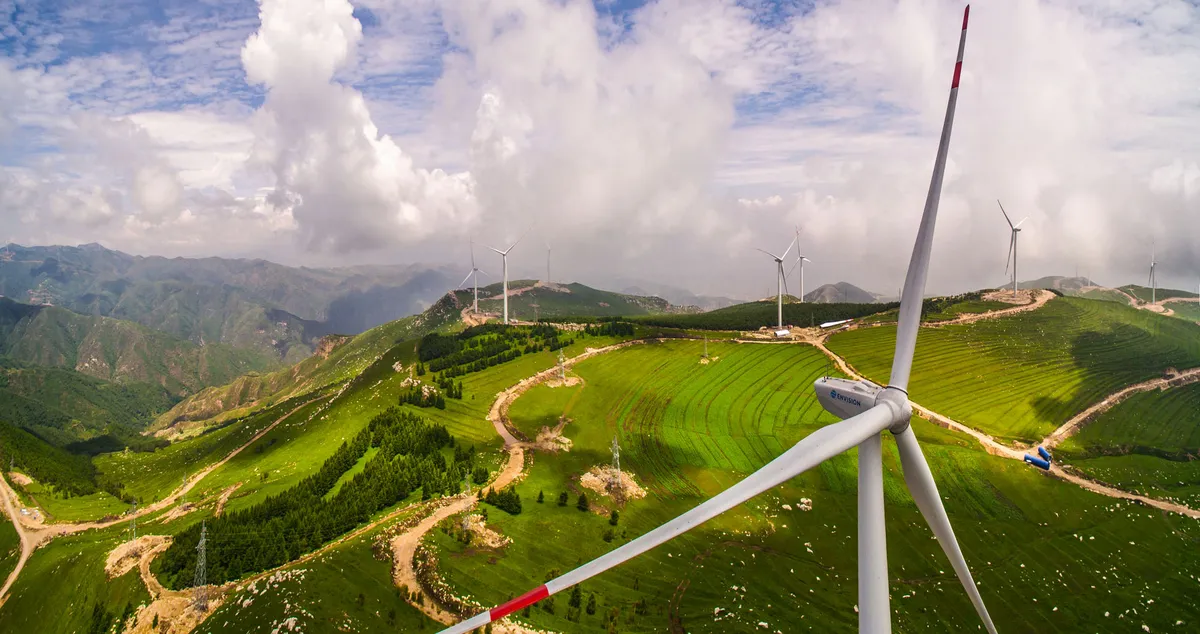
The sheer volume of renewable generation, particularly from wind and solar farms built across vast territories, requires corresponding upgrades to transmission lines, storage capabilities, and grid management software. Current infrastructure limitations mean that intermittent power sources cannot always be seamlessly integrated into the existing distribution network without causing instability or curtailment.
Curtailment—the forced reduction of renewable energy output because the grid cannot handle the supply—is an increasingly common issue. This wasted clean energy represents a direct economic and environmental inefficiency, undermining the intended benefits of massive green investment. The study highlights that while generation capacity continues to climb, the supporting transmission backbone is lagging behind in necessary modernization.
This imbalance suggests that the focus must shift from merely building renewable energy sources to simultaneously fortifying the entire electrical ecosystem capable of receiving and utilizing that power efficiently. Experts suggest that without targeted infrastructure investment, much of China's clean energy potential risks becoming stranded capacity.
Implications for Energy Security and Policy
The strain on the grid has broader implications extending beyond mere technical hurdles; it touches upon national energy security and adherence to climate pledges. If renewable power cannot be reliably delivered when needed, reliance may inadvertently shift back toward dispatchable, carbon-intensive sources during peak demand or periods of low renewable output.
The integration challenge is compounded by the geographical distribution of these new energy assets. Large solar arrays in the west must transmit power across thousands of kilometers to densely populated coastal consumption centers, a task that demands high-capacity transmission corridors which are often underdeveloped relative to generation sites.
Policy adjustments are consequently being scrutinized. Regulators face the difficult choice between rapidly accelerating grid modernization projects—which require massive capital outlay and regulatory streamlining—or accepting higher levels of energy curtailment and associated economic waste. The need for advanced smart-grid technologies, including sophisticated battery storage solutions, has become acutely apparent in addressing intermittency.
The findings underscore that the transition to a fully green power system is not solely an issue of generation technology; it is fundamentally an infrastructure deployment problem. For China to realize the full potential of its massive renewable buildout and meet international climate commitments, significant capital must be redirected toward hardening and expanding the grid itself.