China's machinery sector saw robust growth in the first half of the year, fueled by significant domestic demand for smart equipment and high-end industrial manufacturing technologies.
According to a number of reports, the industry's expansion is fundamentally rooted in a structural shift toward advanced manufacturing and industrial digitization, marking a departure from previous commodity-driven growth patterns.
The strong performance indicates that domestic enterprises are increasingly focusing on self-sufficiency and technological upgrading across critical supply chains. This drive is particularly noticeable in sectors requiring complex automation systems and precision machinery, which were primary engines of growth during the reporting period.
Domestic Demand Fuels High-End Industrial Upgrades
The robust activity observed throughout H1 was directly correlated with government policy initiatives promoting technological self-reliance and national industrial upgrading. Rather than merely increasing output volume, the market demand centered on quality improvements, favoring sophisticated machinery capable of supporting high end production lines.
Key growth pillars included advanced equipment for renewable energy projects, reflecting China's sustained commitment to its green transition goals. Similarly, the semiconductor and display industries drove significant demand for specialized, high-precision manufacturing tools. These segments represent critical examples of where local technology has matured sufficiently to meet demanding industrial specifications.
Furthermore, the integration of 'smart' elements—such as IoT connectivity, AI diagnostics, and predictive maintenance capabilities—into traditional machinery represents a major market trend. Companies that successfully incorporated these intelligent systems into their offerings were best positioned to capitalize on increased operational efficiency requirements from end-users.
Strategic Drivers: Automation and Digitalization
The sustained growth profile suggests that the fundamental shift in Chinese manufacturing is moving beyond mere assembly toward sophisticated, knowledge-intensive production models. This transition necessitates a massive investment cycle in industrial infrastructure and highly specialized equipment.
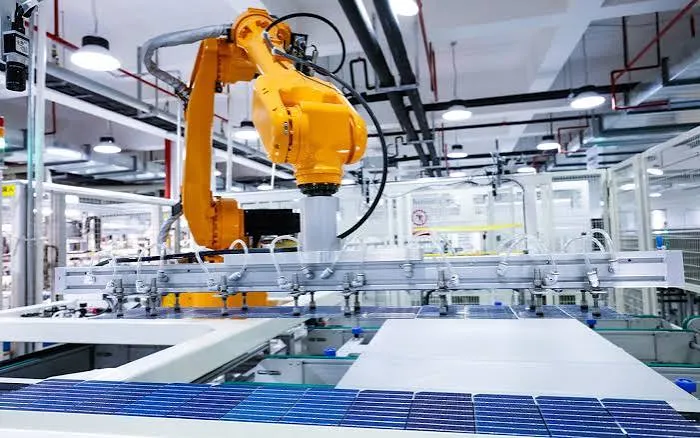
Analysts point to automation as the single most critical catalyst for this sector's performance. The adoption of robotic process automation (RPA) and advanced industrial control systems is allowing manufacturers to achieve unprecedented levels of consistency and speed, particularly in complex assembly operations.
This focus on digitalization also provided tailwinds to related sectors, including smart home technology and intelligent infrastructure management, expanding the definition of "machinery" beyond traditional factory floors. The convergence of IT expertise with mechanical engineering capability is shaping a new class of industrial product.
Looking forward, maintaining this growth trajectory requires continued support for research and development (R&D) within academic institutions and private technology firms. Sustained investment in talent and core technological patents will be essential to ensure the domestic industry can continue outpacing global supply chain disruptions and meeting increasingly stringent international quality benchmarks.
Overall, the H1 results confirm that China's machinery industry is undergoing a fundamental transformation from a volume-based manufacturer to a technology-driven exporter of advanced industrial solutions.