Asia's burgeoning artificial intelligence sector faces a critical infrastructure bottleneck: the colossal power demands required to sustain its rapid expansion.
The Energy Constraint Threatening AI Growth
The relentless march of generative AI and large language models necessitates immense computational resources, translating directly into staggering electricity consumption across Asian tech hubs. This escalating energy footprint threatens to stall innovation momentum unless substantial grid upgrades occur.
The current electrical infrastructure in many key technological centers is proving incapable of supporting the power-hungry data centers driving AI progress. Companies developing cutting-edge models require not just processing power but uninterrupted, high-capacity energy supply.
The sheer scale of investment pouring into AI—from semiconductor fabrication plants to hyperscale cloud computing facilities—is outpacing the rate at which regional power grids can be augmented. This disparity creates a systemic risk for Asian tech giants who depend on consistent operational uptime.
Furthermore, the focus on digital transformation across Asia is often framed as an economic imperative, yet this drive inadvertently places immense strain on existing energy generation and distribution networks. Governments and industry leaders must reconcile the ambition of AI supremacy with the tangible limitations of current power supply capacities.
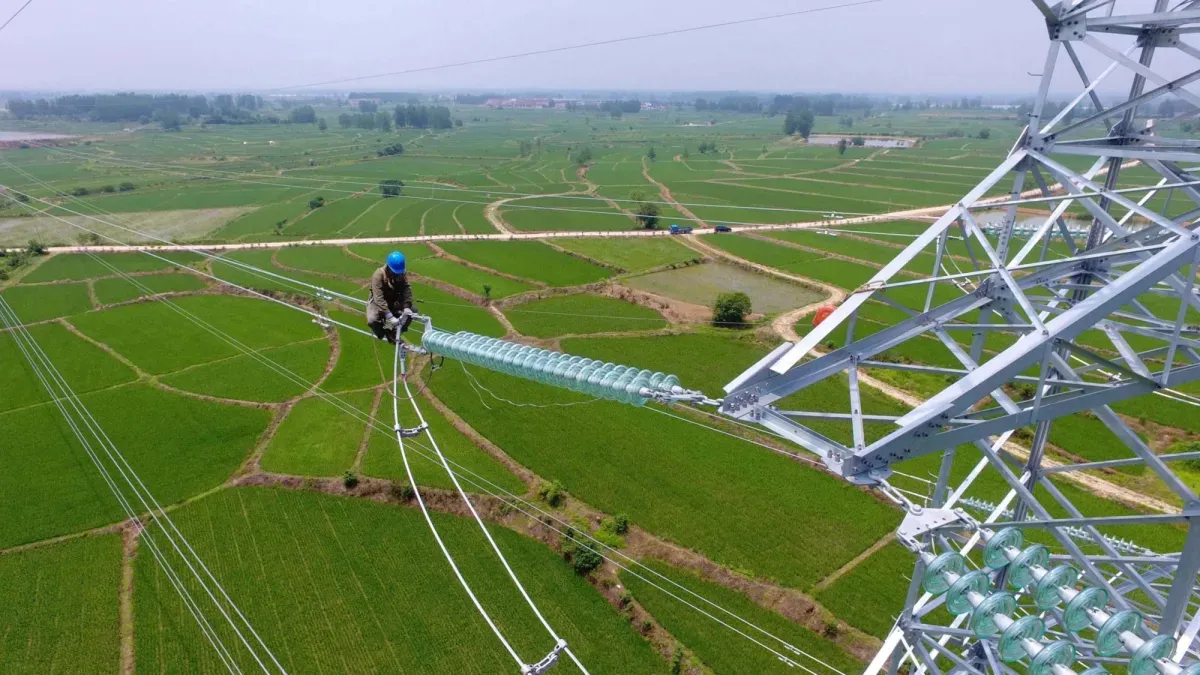
The problem is not solely one of generating more power; it involves the resilience and modernization of transmission lines capable of handling concentrated, high-draw loads from massive clusters of GPUs and specialized accelerators. Without this foundational energy security, the promise of AI adoption across diverse Asian economies risks becoming constrained by kilowatt capacity.
Navigating Power Solutions for Future Computing
Addressing this "power wall" requires a multifaceted strategic shift away from purely incremental grid improvements toward radical infrastructure reengineering and technological optimization within the AI supply chain. Investors and policymakers are now scrutinizing energy efficiency as closely as computational speed.
One avenue gaining traction involves the deployment of advanced cooling technologies for data centers, which directly impacts power usage effectiveness (PUE). More efficient cooling systems reduce the auxiliary load on the grid while maintaining optimal operational temperatures for sensitive hardware. This represents a crucial area where capital expenditure can yield immediate energy returns.
Beyond efficiency gains, there is increasing interest in integrating renewable energy sources directly into data center operations to stabilize power sourcing and alleviate reliance on conventional, often carbon-intensive, peaking plants. Sourcing power from dedicated solar or wind farms near compute clusters offers a pathway toward both sustainability and reliable supply.
However, the immediate challenge remains one of scale and deployment speed. Building utility-scale renewable infrastructure takes significant time and regulatory approval, whereas AI development cycles move at breakneck speed. Consequently, short-to-medium term solutions must focus on smart grid management and demand forecasting to mitigate instantaneous power spikes.
Ultimately, the narrative surrounding Asia's AI boom is evolving from one focused solely on algorithmic breakthroughs to one deeply concerned with physical constraints. The successful scaling of Asian AI will hinge less on the elegance of its neural networks and more on the robustness of its electrical substations. For continued dominance in this global technology race, energy infrastructure must become as strategically prioritized as semiconductor capacity.