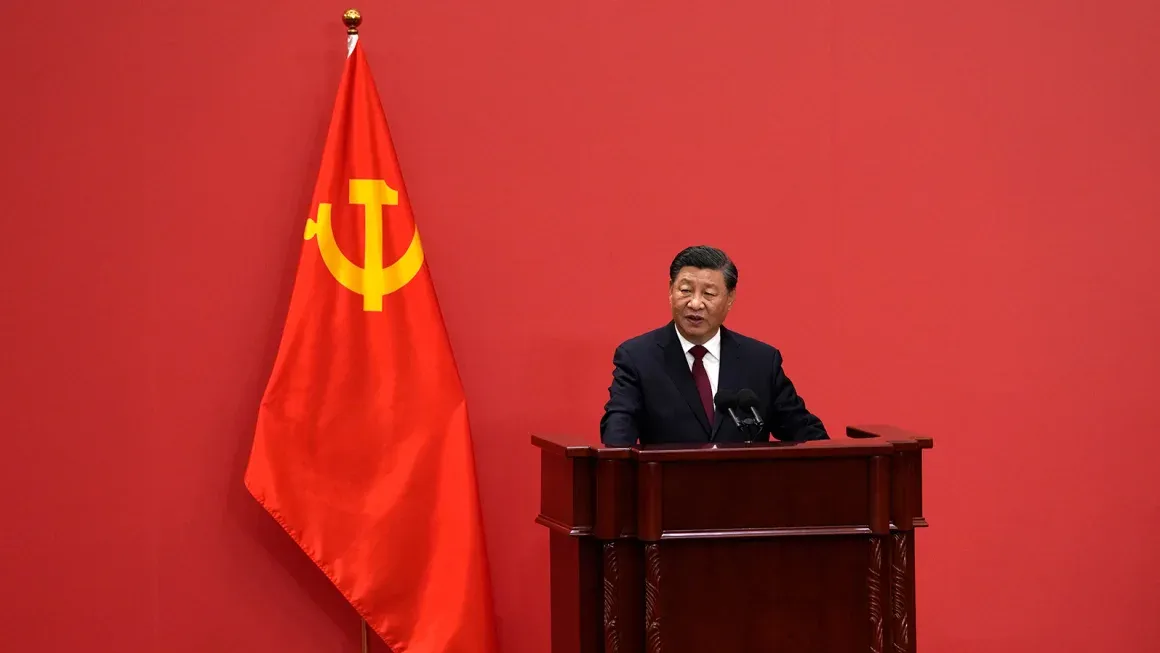
Chinese President Xi Jinping actively promoted "AI diplomacy" at the Shanghai Forum, engaging with Thai and Cambodian prime ministers to cement technological cooperation.
The engagement signaled Beijing’s growing strategic pivot toward leveraging artificial intelligence not only as an economic driver but as a key instrument of international soft power projection across Southeast Asia.
Xi's Diplomatic Push into AI Governance
During the forum, Xi emphasized that artificial intelligence must be developed in alignment with national interests and global stability. He stressed the importance of multilateral dialogue to establish ethical guardrails for rapidly advancing technologies such as large language models and autonomous systems.
The discussions moved beyond mere technology transfer; they centered on shared governance frameworks. By framing AI collaboration as a matter of diplomatic partnership, China sought to position itself as a responsible architect of the next wave of digital globalization in Asia.
Specifically engaging with the leaders from Thailand and Cambodia, Xi highlighted opportunities for bilateral projects focusing on smart city infrastructure and agricultural efficiency powered by AI analytics. These initiatives serve as tangible demonstrations of Chinese technological capability being deployed for regional development goals.
Analysts suggest this outreach represents a calculated extension of China's Belt and Road Initiative (BRI), modernizing its focus from purely physical infrastructure to digital and intelligent connectivity. This shift allows Beijing to embed itself deeper into the socio-economic fabric of partner nations through technological dependency and shared planning.
The participation of ASEAN members like Thailand, which is actively pursuing digital transformation agendas, indicates a receptive environment for China’s model of state-led technology deployment. Cambodian engagement reflects a greater appetite among developing economies for readily available, large-scale technological solutions provided by major powers.
Strategic Implications for Regional Tech Leadership
This foray into AI diplomacy carries significant strategic weight for geopolitical competition in the Indo-Pacific region. It positions China as a primary partner offering comprehensive digital ecosystems, contrasting with Western approaches that often emphasize data sovereignty and open standards.
The focus on "AI governance" allows Beijing to influence the narrative surrounding technology adoption, subtly promoting frameworks that align with its broader geopolitical objectives while presenting itself as an alternative to purely U.S.-centric technological spheres of influence. The forum provided a platform for this nuanced messaging.
For Southeast Asian nations, engaging in these high-level discussions provides leverage. They can selectively adopt Chinese AI frameworks while simultaneously diversifying partnerships with other global technology leaders. This balancing act is critical as they navigate increasing strategic competition between Washington and Beijing.
The specific tenor of the meetings suggests that while economic benefits are paramount, the diplomatic framing—the "AI diplomacy"—is designed to secure long-term policy alignment. By embedding AI collaboration into bilateral state relations, China hardens its influence beyond mere trade agreements.
Observers noted that Xi’s approach avoids overly prescriptive mandates, instead favoring collaborative problem-solving around shared regional challenges like climate resilience and public health monitoring using advanced AI tools. This consultative posture is key to maintaining the political goodwill necessary for sustained technological penetration across sensitive borders.