🎙 Listen to a summary of this story
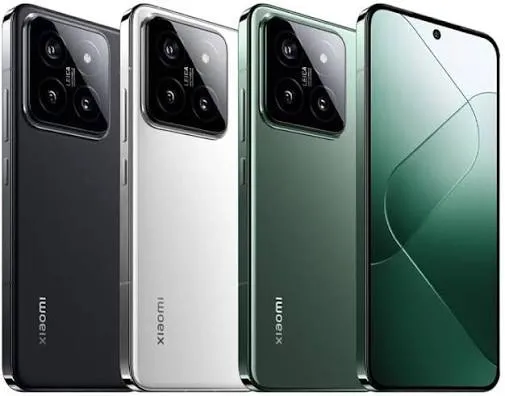
Xiaomi is reportedly integrating a "Smart Privacy Display" feature into its forthcoming flagship devices, directly mirroring a privacy screen technology previously associated with Samsung.
This potential adoption signals a significant escalation in the battle for user data security within the high-end smartphone market, moving privacy from a niche feature to a core hardware expectation.
Sources indicate that the technology, which allows the screen to restrict viewing angles to authorized users, represents a direct competitive maneuver by Xiaomi as it prepares to launch its next generation of premium handsets.
The implementation of such a sophisticated display system requires advanced panel engineering, placing it among the most sought-after hardware upgrades for discerning consumers.
Technical Specifications and Feature Set
The Smart Privacy Display functions by dynamically adjusting the polarization of the screen, effectively creating a visual barrier that makes the content nearly invisible to anyone viewing the phone from the sides or behind the primary user.
While the specific technical parameters of Xiaomi's version remain under wraps pending official confirmation, the concept aligns closely with the privacy solutions Samsung has promoted in its higher-tier Galaxy lines. This suggests Xiaomi is aiming for feature parity, or potentially surpassing, its primary rival in this segment.
The feature is not merely a static setting; the "smart" designation implies that the activation and deactivation of the privacy mode can be controlled via software prompts or proximity sensors, offering seamless user experience integration.
Industry analysts view this move as a strategic commitment to hardening the user interface against physical eavesdropping, a growing concern as mobile usage extends into sensitive professional and personal domains.
Strategic Market Implications
The move by Xiaomi underscores the industry's pivot toward security as a primary selling point, challenging the traditional focus solely on processor speed and camera megapixels.
By adopting and refining this privacy technology, Xiaomi is positioning itself not just as a volume leader, but as a technologically sophisticated contender capable of matching premium features previously exclusive to established market leaders like Samsung.
This development will inevitably intensify the feature arms race among major Chinese and South Korean manufacturers, forcing others to accelerate their own R&D into display-level security.
For consumers, the integration of such a display offers tangible protection against casual observation in public settings, such as cafés or crowded transit areas.