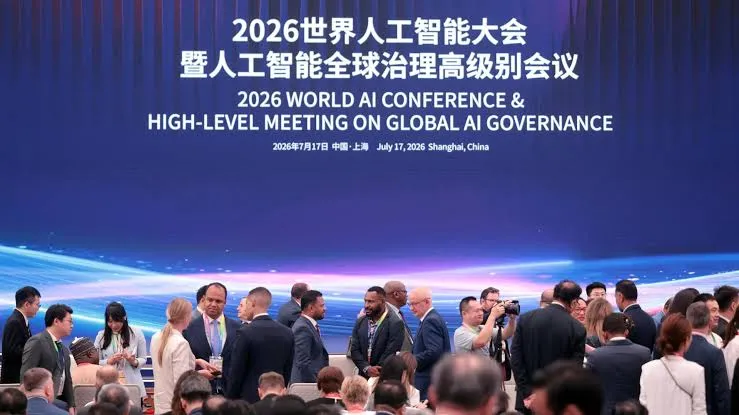
The World Artificial Intelligence Conference (WAIC) concluded in Shanghai on a strong note, underscoring China's rapid advancement and strategic commitment to global artificial intelligence leadership.
Key Technological Advancements Highlighted
Participants at WAIC demonstrated significant progress across core AI domains, signaling maturation beyond foundational research into practical industrial application. Major announcements focused heavily on integrating complex algorithms into scalable commercial frameworks, a clear indication of the industry's transition toward real-world deployment.
One prominent theme throughout the conference was the convergence of artificial intelligence with advanced hardware infrastructure, particularly in areas related to edge computing and specialized processing units. Companies showcased systems capable of performing sophisticated AI tasks locally without constant reliance on massive cloud resources, addressing critical issues of latency and data security inherent in large-scale deployments.
The development trajectory suggested by exhibitor presentations points toward breakthroughs in multimodal AI—systems that can seamlessly process and understand combinations of text, images, audio, and video simultaneously. This capability represents a significant leap from single-modality processing, moving closer to human-level contextual understanding within automated systems.
Furthermore, the focus on ethical AI frameworks gained considerable traction among policymakers and enterprise representatives present at the event. Discussions moved past theoretical guidelines toward establishing concrete regulatory sandboxes that allow for controlled testing of advanced models while maintaining public trust and mitigating potential biases embedded in training data.
Implications for Global AI Landscape
The scale and caliber of innovation presented during WAIC reinforce China's assertive position within the international AI competition. The event served not merely as a showcase but as a strategic platform to align national technological goals with private sector capabilities.
Senior executives frequently articulated strategies centered on building domestic, resilient AI ecosystems less susceptible to external supply chain disruptions or geopolitical pressures affecting key components like high-end semiconductors. This self-sufficiency drive appears central to the long-term vision presented by leading tech conglomerates.
Investment trends observed during the conference indicated a sharp pivot toward applied generative AI solutions designed for specific vertical markets, such as advanced manufacturing, precision healthcare diagnostics, and smart urban management. These applications represent immediate economic value drivers rather than purely exploratory research projects.
The international engagement at WAIC also highlighted growing interest from global technology partners seeking collaboration or market entry points within China's burgeoning AI sector. This indicates a willingness by external entities to recognize the maturity of the domestic ecosystem, despite ongoing technological hurdles.
Ultimately, the conclusion of this year’s conference cements the narrative that China is not just participating in the global AI revolution but actively dictating many of its immediate developmental priorities, driving innovation from laboratory concept directly into commercial viability.