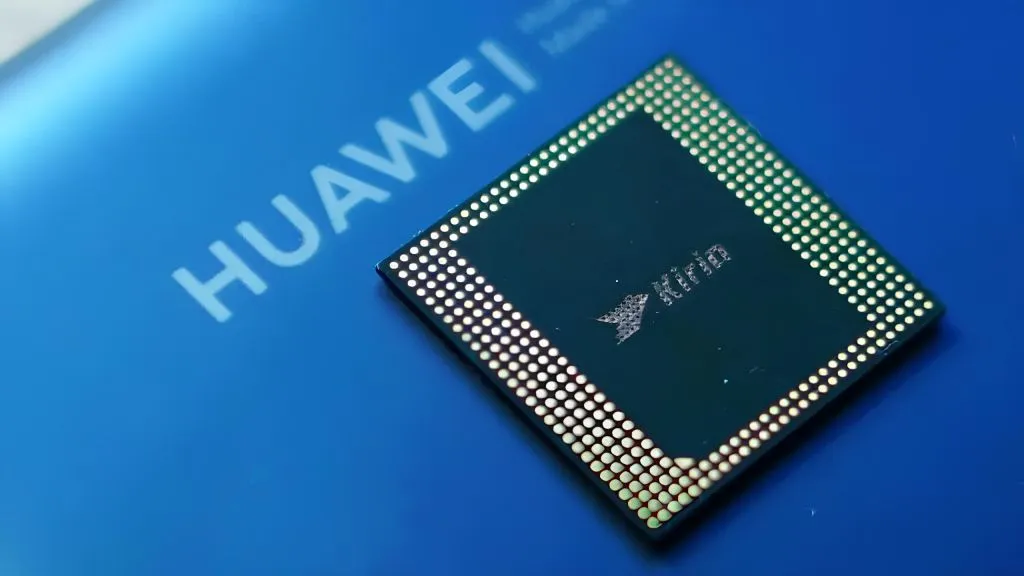
Huawei's Kirin 9030 Pro chipset reportedly delivers a substantial 76% performance increase over its predecessor, the Kirin 9020, according to recent video demonstrations.
This significant leap in processing capability positions the new chip as a major contender in the high-performance mobile processor segment. The observed gains suggest targeted architectural improvements focused on computational efficiency and raw speed benchmarks.
Technical Specifications and Performance Metrics
The performance enhancement detailed in the promotional materials centers on several key areas of chipset optimization. While specific core counts or manufacturing node details were not fully disclosed, the demonstrated uplift suggests advancements in both CPU and GPU throughput.
Video evidence circulated online highlights benchmarks where the 9030 Pro substantially outperforms the 9020 across various intensive applications. This metric-driven presentation emphasizes real-world application performance rather than theoretical clock speeds alone.
Industry analysts suggest that such a dramatic percentage jump typically implies fundamental shifts in silicon design, potentially involving enhanced instruction sets or more efficient power management at higher utilization levels. Huawei has consistently positioned its Kirin series as a leader in specialized mobile processing.
The 9030 Pro is engineered to handle increasingly demanding mobile workloads, including advanced artificial intelligence tasks, high-fidelity gaming, and intensive video encoding/decoding operations. The sustained performance under load appears to be a critical focus of the design team.
Implications for Mobile Computing
The introduction of the Kirin 9030 Pro carries strategic weight for Huawei's continued dominance within the Android ecosystem, particularly in markets where proprietary silicon remains a competitive differentiator. This advancement directly addresses the industry trend toward more power-hungry, yet more capable, mobile computing.
For consumers and enterprise users alike, this performance differential translates into tangible improvements: smoother operation during complex multitasking, faster rendering times for creative professionals, and superior graphical fidelity in demanding games. The emphasis on a 76% boost signals an aggressive competitive posture against rivals deploying competing flagship processors.
The successful scaling of these performance metrics underscores Huawei's ongoing investment in its internal semiconductor fabrication capabilities. Maintaining technological parity or superiority is crucial for the company’s long-term market penetration strategy globally.
For detailed analysis of the benchmarks, further technical deep dives are anticipated as more comprehensive data sheets become available from Huawei representatives. Interested parties can follow updates regarding this chipset via official announcements on Huawei Central.
The Kirin 9030 Pro represents a significant evolutionary step, moving beyond incremental gains to deliver a verifiable leap in mobile processing power, setting a new performance benchmark for the coming cycle of high-end smartphones.