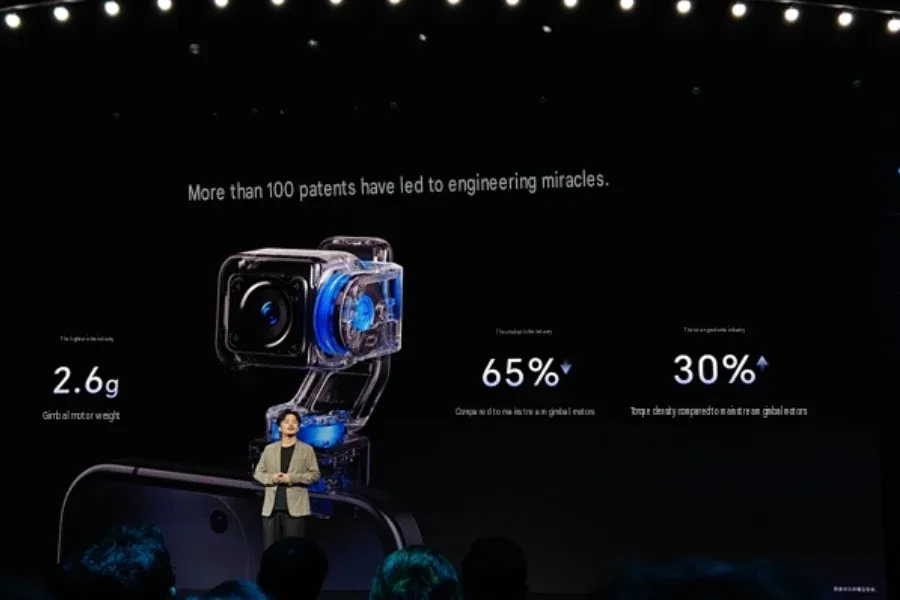
Honor has confirmed the flagship Robot Phone will feature a formidable 200MP camera sensor, an integrated new imaging chip, and protection bolstered by over 100 patents.
The unveiling of these technical specifications signals Honor's aggressive push into the high-end mobile photography market, directly challenging established leaders in smartphone hardware innovation. Sources confirm that the device incorporates substantial advancements across its computational photography stack, moving beyond mere sensor size to focus on processing efficiency and proprietary image capture technology.
Central to this hardware upgrade is the 200MP primary camera sensor, which promises unprecedented detail retention even in challenging lighting environments. This high-resolution capability is paired with a newly developed imaging chip designed specifically for Honor's algorithmic needs. The integration of dedicated processing power within the imaging chain allows the phone to manage massive data streams from the sensor while executing complex noise reduction and computational enhancements in real time.
The strategic importance of this new imaging chip cannot be overstated; it represents a vertical integration effort by Honor, aiming to control more aspects of the user experience from silicon up. By developing proprietary hardware tailored to its own software suite, the company seeks to differentiate the Robot Phone not just as a high-megapixel device, but as a highly optimized photographic tool.
Furthermore, the intellectual property portfolio supporting this launch is robust, with Honor citing more than 100 patents related to the phone's imaging systems. This patent density provides a significant barrier to entry for competitors attempting to replicate the specific photographic capabilities of the device, cementing its technological moat in the premium segment.
Technological Depth and Market Positioning
The Robot Phone’s design language itself suggests an emphasis on functional aesthetics; the nomenclature points toward a device where mechanical or computational functions are prominently displayed. This aligns with current consumer trends favoring visible technology integration over minimalist abstraction.
Industry analysts interpret these specifications as Honor's clear declaration of intent to compete head-to-head in the segment dominated by camera-centric flagships. The combination of ultra-high resolution, specialized processing, and patent defense establishes a high technical bar for any potential market entrant.
Details regarding the exact naming convention or specific software features tied to the new imaging chip remain under wraps, but preliminary discussions suggest the focus will be on low-light performance improvement and enhanced video capture fidelity. The inclusion of this dedicated hardware suggests that Honor is moving past incremental camera upgrades toward foundational architectural shifts in its mobile photography approach.
This development places significant pressure on rivals to either accelerate their own chip design cycles or risk being perceived as technologically lagging behind Honor's latest iteration. The successful market reception of the Robot Phone will serve as a critical benchmark for future smartphone hardware evolution across the industry, particularly concerning the symbiotic relationship between sensor technology and specialized AI processing units.