Dexmal is launching DM0.5, a new model designed to dramatically boost embodied AI productivity through the integration of DexOS and a structured MaaS three-stage strategy.
This strategic deployment signals a significant shift in how Dexmal intends to operationalize advanced artificial intelligence within physical systems, moving beyond purely digital capabilities toward tangible, productive outputs. The introduction of DM0.5 represents a critical inflection point in the company's trajectory toward creating truly capable embodied agents.
DM0.5 and the Operational Framework
The core innovation lies in DM0.5, which is engineered to bridge the gap between complex AI reasoning and real-world action. This model architecture supports enhanced decision-making capabilities necessary for autonomous systems navigating dynamic environments. Dexmal emphasizes that this isn't merely an incremental update but a foundational restructuring of its approach to embodied intelligence.
Underpinning DM0.5 is DexOS, the proprietary operating system developed by Dexmal. DexOS provides the necessary middleware and control layer, allowing the advanced cognitive functions of DM0.5 to interface seamlessly with physical hardware. This tight coupling between the model's intelligence and the OS's execution capability is central to achieving high-level productivity in robotic or embodied platforms.
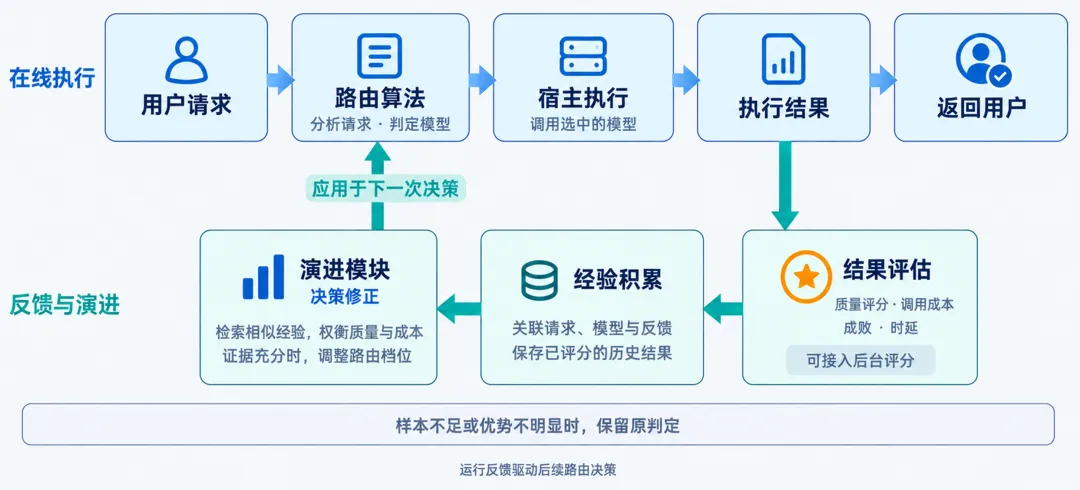
The company detailed that the deployment strategy follows a rigorous three-stage methodology known as MaaS. This framework dictates how new capabilities are introduced, tested, and scaled within the deployed systems, ensuring stability while accelerating functional expansion. The objectives of this systematic rollout are designed to mitigate the inherent risks associated with deploying complex AI into unpredictable physical settings.
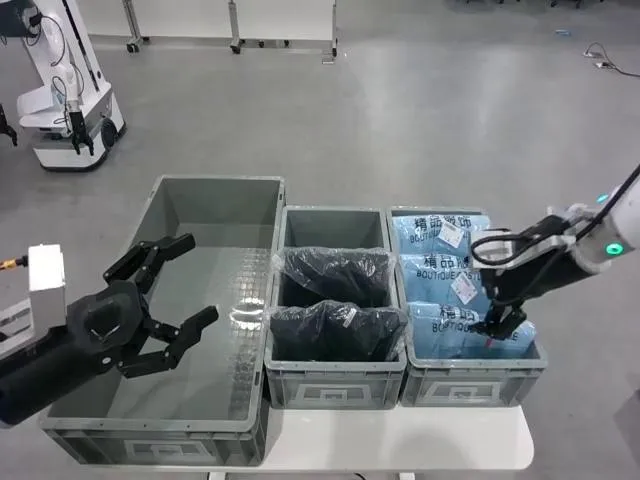
Sources indicate that the focus remains heavily on practical application rather than purely theoretical advancement. Dexmal is positioning DM0.5 not as a research curiosity, but as an immediate productivity engine for industrial and logistical applications where autonomous action delivers measurable economic value.
The Three-Stage MaaS Strategy
The MaaS strategy provides the roadmap for realizing the full potential of DM0.5 across various use cases. This phased approach allows Dexmal to manage complexity systematically, moving from controlled environments to more demanding real-world scenarios.
While specific operational parameters remain proprietary, the structure implies a progression: initial validation in constrained settings, followed by expanded field testing involving greater environmental variability, and culminating in scaled production deployment. This methodical transition minimizes disruption while maximizing learning efficiency for the AI agents.
The integration of this three-stage process with DexOS ensures that every operational shift is governed by established protocols within the platform. This disciplined governance contrasts sharply with more ad-hoc development cycles sometimes seen in rapidly evolving AI sectors, lending Dexmal a perceived advantage in reliability.
Analysts suggest that if successful, the DM0.5/DexOS combination could redefine performance benchmarks for embodied AI productivity. The ability to translate sophisticated internal reasoning into reliable physical action—managed by MaaS—is the key differentiator presented by Dexmal in this announcement.