
Chinese film-tech firms expand their Hollywood footprint
Chinese film-technology companies are gaining a firmer foothold in Hollywood, with their lighting systems, camera rigs, monitors and wireless tools increasingly used by studios, rental houses and independent filmmakers.
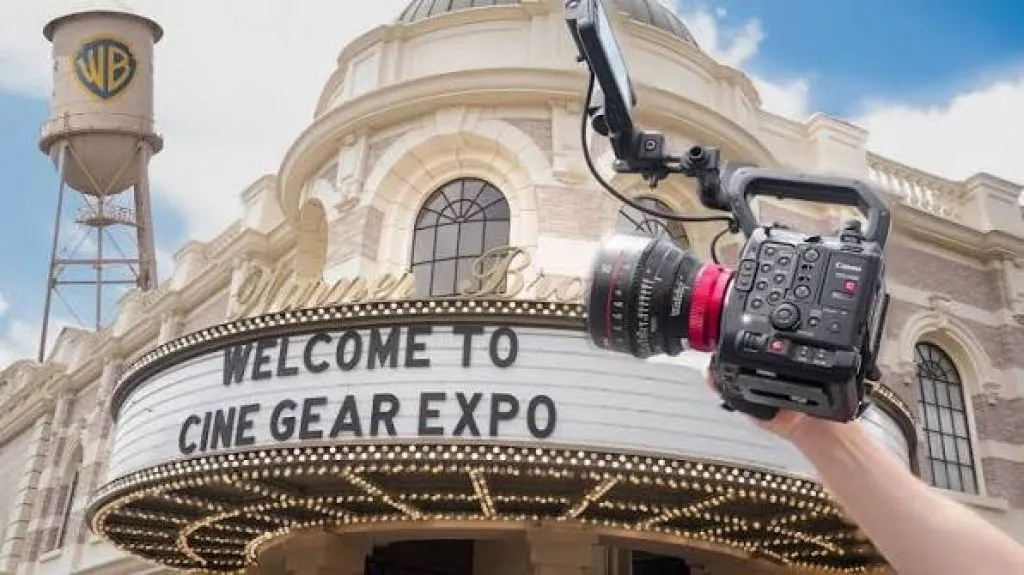
At Cine Gear Expo LA, held on the Universal Studios Lot, Chinese brands drew steady traffic as cinematographers and production crews tested equipment across soundstages and outdoor sets. The event, long a showcase for the machinery behind movies and television, underscored how quickly Chinese manufacturers have moved from low-cost alternatives to prominent players in professional production.
Companies including Aputure, Nanlux, Accsoon, SmallRig and Hollyland showed products alongside established industry names such as Sony, ARRI and RED Digital Cinema. Their presence reflected a wider shift in the film business, where production teams are looking for tools that combine performance, speed, reliability and affordability.
Chinese-made production gear once faced skepticism in Hollywood, particularly in areas such as lighting quality and color accuracy. Industry professionals now say that perception has changed as manufacturers improve engineering, respond more quickly to feedback and bring new products to market at a rapid pace.
Cinematographer Shane Hurlbut, whose credits include “Terminator Salvation” and “Act of Valor,” told China Daily that Chinese lighting products have made significant gains in Hollywood. He cited improvements in color science, lighting control and motorized systems as developments that are expanding creative options for filmmakers.
Innovation meets trade pressure
The growth comes despite continuing trade tensions between the United States and China. Executives said tariffs have affected margins, but they described day-to-day cooperation between filmmakers and equipment makers as largely practical and collaborative.
Aputure, a lighting company with manufacturing in China and operations in the United States, has expanded from motion-picture production into broadcast television and live events. Mitch Gross, the company’s director of marketing, said its success has been shaped by close engagement with working filmmakers and production professionals.
That feedback loop has become a competitive advantage for Chinese manufacturers. Industry executives said China’s production ecosystem allows companies to move quickly from research and development to commercial release, a pace that appeals to studios facing tight schedules and rising production demands.
Nanlux Americas representative Malcolm Mills said major studios increasingly recognize the speed of Chinese innovation. He said the company works with Hollywood studios including Warner Bros., Sony Pictures Entertainment and Universal Pictures, and expects Chinese cinema-technology brands to capture more market share.
Chinese companies also are pushing beyond traditional equipment categories. At the expo, exhibitors demonstrated tools linked to virtual production, real-time rendering, robotic camera systems, wireless workflows and artificial intelligence-assisted content creation. Those areas are becoming more important as studios seek to streamline production and reduce costs without sacrificing visual quality.
SmallRig highlighted the importance of practical design in a sector where small improvements can matter on set. Camera operator Colin Hudson praised the usability of Chinese-made rigging equipment and said he hoped for deeper collaboration between Chinese and American filmmakers.
For companies such as Shenzhen-based Hollyland, the U.S. market remains a proving ground. Representatives said American customers have responded to products that balance technical performance with accessible pricing, while feedback from global users continues to shape development.
Hollywood remains the industry’s most visible stage, but the rise of Chinese film-tech firms signals a broader change in the global production supply chain. As filmmakers adopt new tools for lighting, monitoring, movement and virtual production, Chinese manufacturers are no longer merely competing on price. They are helping define how the next generation of movies and television is made.