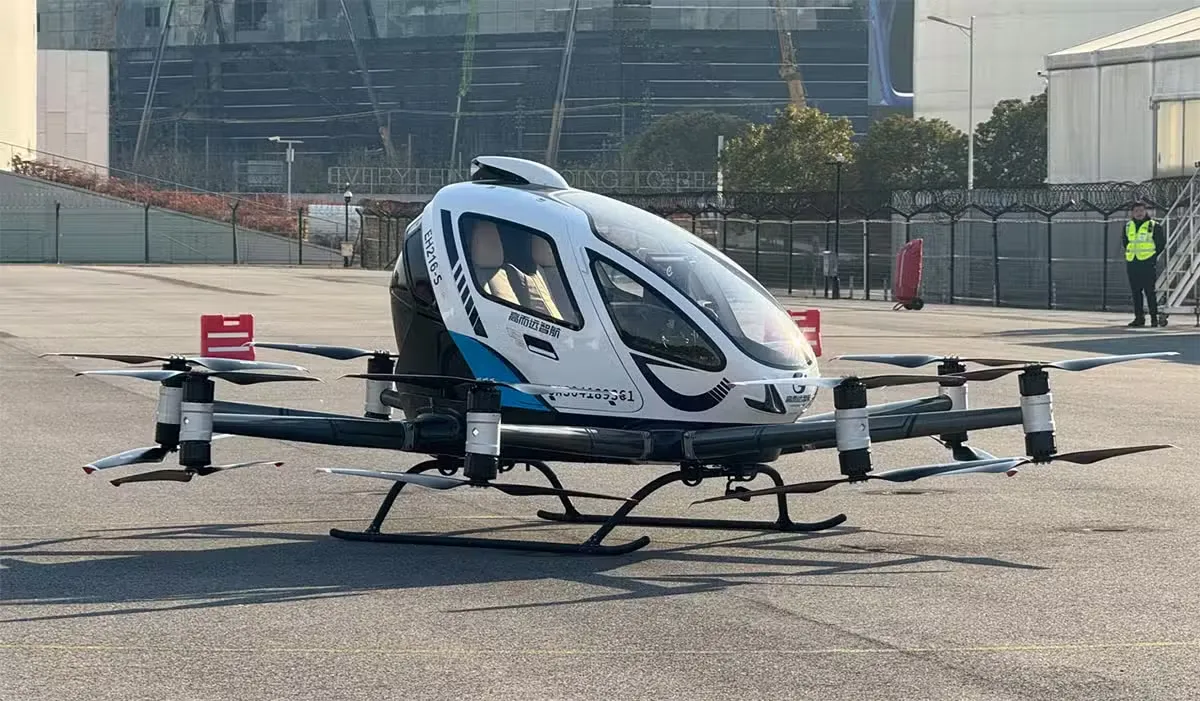
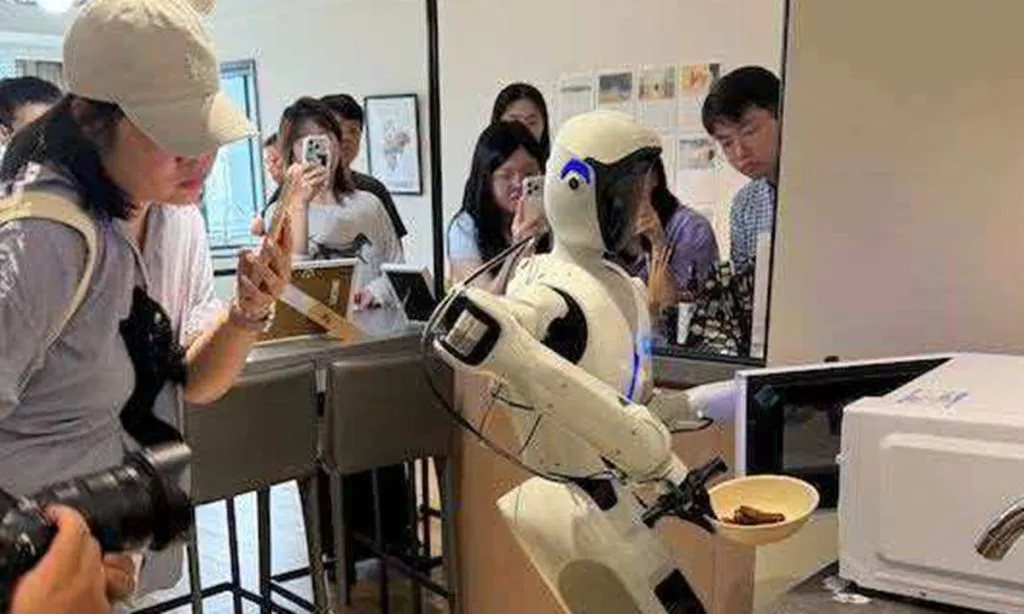
China is rolling out trials for robot housekeeper units, signaling a significant push toward domestic automation in consumer homes.
Domestic Automation Trials Commence
A new wave of robotic household assistants is entering controlled trial phases across China, representing an accelerating trend in the integration of sophisticated robotics into daily domestic life. These autonomous devices are designed to perform routine cleaning and maintenance tasks within residential settings, directly addressing labor shortages and increasing demands for convenience among urban populations.
The technology being tested by Hubei Giga World Robot Co in Wuhan involves multi-functional robots capable of navigating complex home environments while executing specialized chores. Early reports indicate these units utilize advanced sensory input and pathfinding algorithms to operate effectively without constant human intervention. The rollout is positioned as a critical step in transforming household labor from manual effort to automated service.
Industry analysts view this deployment not merely as a consumer gadget launch but as a strategic move by Chinese technology firms to dominate the burgeoning smart home sector globally. Success in these domestic trials will provide essential real-world data regarding durability, operational efficiency, and user acceptance before mass commercialization begins. The focus remains heavily on refining the human-robot interaction (HRI) interface to ensure seamless adoption.
The specific models entering the trial program, such as Hubei's SeeLight S1, demonstrate varying levels of autonomy, ranging from advanced vacuuming and mopping capabilities to more complex tasks such as dusting surfaces and managing small household items. Developers are reportedly concentrating on improving battery life and energy efficiency, recognizing that sustained operation within a home setting necessitates robust power management systems.
This push aligns with broader national strategies emphasizing high-tech manufacturing and the advancement of artificial intelligence applications outside of industrial settings. The domestic market provides a fertile ground for testing innovations before scaling up to international export markets where consumer expectations for robotics are rapidly rising.
Technological Hurdles and Market Implications
While the promise of automated housekeeping is substantial, the transition from laboratory prototype to reliable home fixture presents several significant engineering hurdles. One primary concern involves handling the unpredictable variables inherent in a domestic space, such as pet interference, varying furniture layouts, and spills.
Furthermore, the cost-to-performance ratio must be optimized for mass adoption. Current high-end prototypes often carry price points that restrict access to affluent demographics. Therefore, manufacturers are simultaneously working on miniaturization and component standardization to drive down production costs without sacrificing core functionality.
The regulatory environment is another factor under close observation. As these robots become more integrated into private spaces, questions surrounding data privacy—specifically how much environmental mapping data the devices collect and where that data is stored—are becoming paramount for both consumers and regulators.
These trials serve as a crucial proving ground for domestic AI capabilities. If successful, widespread adoption of robot housekeepers could substantially redefine the concept of modern home maintenance in China and potentially set new benchmarks for residential automation worldwide.