China widens IPO path for AI firms
China is opening a new route to public markets for money-losing artificial intelligence and other frontier technology companies, a shift aimed at steering more domestic capital toward sectors Beijing sees as central to its rivalry with the United States.
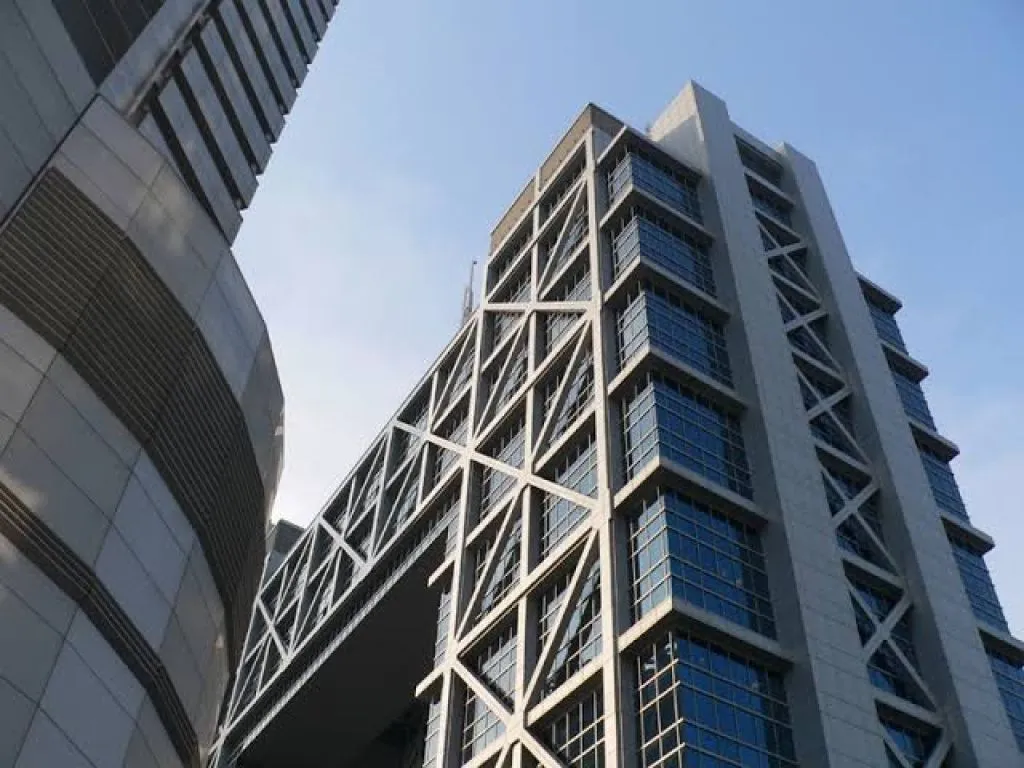
The Shanghai Stock Exchange said this month it is revising rules for the STAR Market, China’s Nasdaq-style technology board, to broaden access for “hard-tech” companies in fields including large AI models, quantum technology, robotics, hydrogen energy, biomanufacturing, brain-computer interfaces, nuclear fusion and 6G communications.
The changes expand use of the STAR Market’s fifth listing standard, a framework that allows certain strategically important companies to seek initial public offerings before they turn a profit. For large-model AI companies, TechTimes reported that applicants would need an expected market value of at least 4 billion yuan, or about $591 million, and approval from government authorities for their core technology or products.
The move reflects Beijing’s effort to make its equity markets more useful to young companies with long research cycles and heavy spending needs. China Securities Regulatory Commission Chairman Wu Qing told a Shanghai financial forum that global capital markets are adjusting to the pace of innovation, while the Shanghai Stock Exchange said early-stage technology firms need sustained financing for research and development.
Investor protections remain a test
The STAR Market, launched in 2019, was created to support companies in semiconductors, advanced manufacturing, biotechnology and other strategic sectors. Its looser listing rules have made it an important part of China’s industrial policy, especially as U.S. export controls limit Chinese access to advanced chips and other technologies used in AI development.
Regulators also are trying to avoid a speculative rush. The Shanghai exchange said it will scrutinize listing applications, require accurate disclosure of risks and press sponsors and other intermediaries to verify companies’ technology claims and market positioning. Unprofitable companies on the board can carry a “U” marker to alert investors to their status.
The exchange said 54 unprofitable companies have listed on the STAR Market over six years, raising funds that helped expand production and research. It said 22 later became profitable, while the group spent more than 163 billion yuan on research and development.
That record is mixed. Supporters say the reforms give China’s AI and deep-tech startups a funding channel comparable to those used by Silicon Valley companies, where public investors have long backed firms before steady profits emerged. Critics warn that state endorsement could encourage investors to underestimate commercial risks, especially in sectors where products remain expensive, technically uncertain or dependent on restricted hardware.
The policy comes as Chinese AI developers face intense capital demands for computing power, data, engineers and commercialization. It could help companies raise yuan-denominated funds closer to home, reducing reliance on overseas exchanges and private financing.
But access to the STAR Market will not solve every constraint. Even well-funded AI firms remain exposed to chip shortages, regulatory scrutiny and questions about whether large models can generate enough revenue to justify their costs. For Beijing, the rule change is a bet that public markets can help close that gap.