
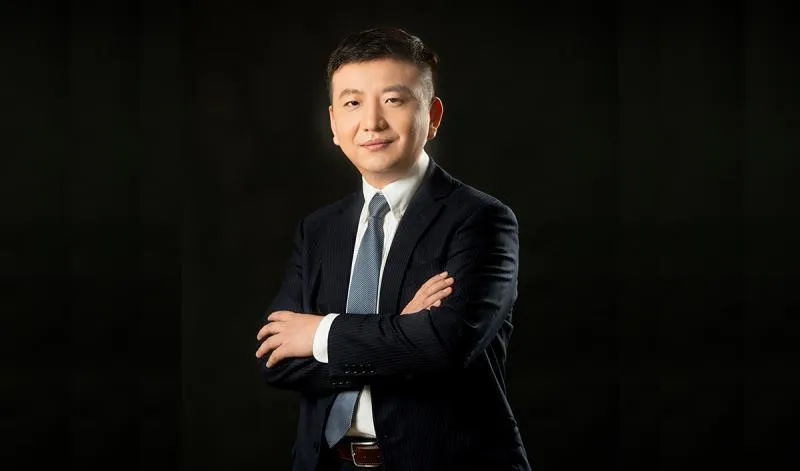
Engineer Zhu Yiming at CXMT is spearheading China's drive to challenge global memory-chip giants with domestic technological innovation.
The Ambition Behind Domestic Memory
CXMT, the company Zhu Yiming works for, represents a critical node in China's ongoing technological self-sufficiency push against entrenched international semiconductor leaders. The objective is clear: to develop high-performance memory solutions that can compete directly with established industry behemoths.
Zhu Yiming, described as an engineer of significant technical acumen, operates at the core of this ambitious endeavor. His work is situated within a complex ecosystem where domestic manufacturing capabilities must rapidly evolve to meet global standards of density and speed. The semiconductor memory sector demands extreme precision, massive capital investment, and decades of accumulated expertise, making any challenge from a local player a monumental feat.
The strategic significance of this pursuit transcends mere market share; it underpins national digital infrastructure security. Dependence on foreign suppliers for foundational components like advanced memory chips creates systemic vulnerabilities within China’s burgeoning high-tech industries. CXMT's efforts, guided by engineers like Zhu Yiming, aim to sever these critical supply chain dependencies.
The development process involves navigating intricate material science challenges and highly complex fabrication processes. These are not incremental improvements but foundational shifts in how memory is designed and produced at scale. The pressure on CXMT is immense, requiring a combination of rigorous scientific research and agile industrial execution to bridge the current technological gap.
Technical Hurdles and Future Trajectory
The engineering challenges confronting Zhu Yiming’s team are multifaceted, spanning from transistor architecture refinement to yield optimization within production lines. Global leaders often benefit from proprietary process nodes and manufacturing know-how that takes years, sometimes decades, to replicate.
CXMT is not simply aiming for parity; the aspiration is to establish a competitive foothold in specific memory segments where domestic strengths can be leveraged while simultaneously closing the performance gap across the board. This requires sustained investment in R&D talent and advanced equipment procurement, often necessitating strategic partnerships both domestically and internationally.
Zhu Yiming embodies the new wave of Chinese technical leadership—engineers trained to tackle global-scale problems with national objectives as their primary mandate. His role illustrates a pivot from merely assembling foreign technology to fundamentally creating indigenous technological solutions for critical components.
The success or failure of CXMT in this high-stakes arena will serve as a crucial barometer for China’s broader industrial policy goals regarding self-reliance in advanced manufacturing. Reaching parity with global memory titans would represent a significant inflection point in the country's technological sovereignty narrative.