CATL moves beyond batteries with fusion investment
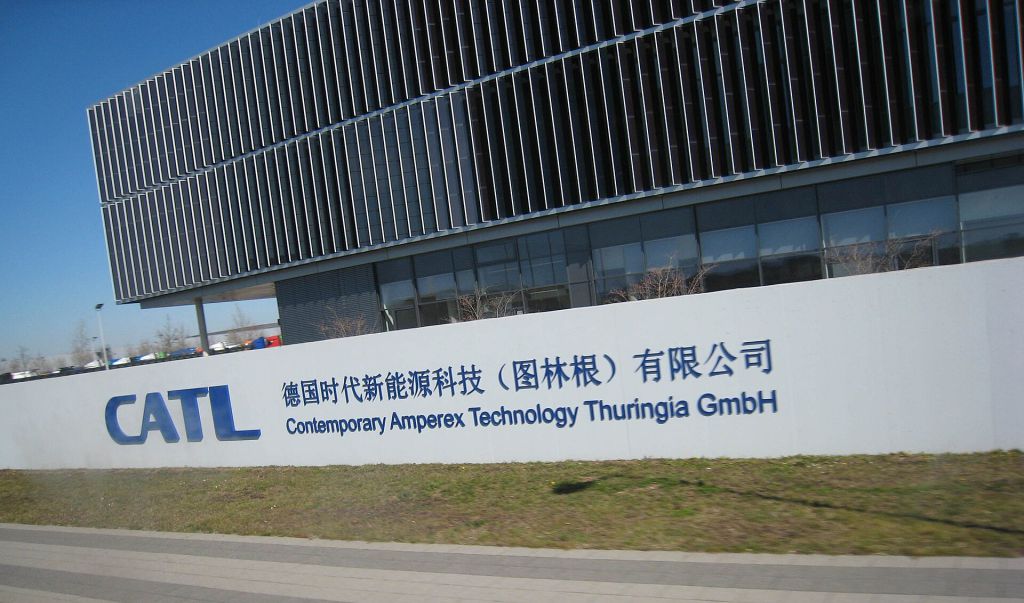
Contemporary Amperex Technology Co. Ltd., the world’s largest maker of electric vehicle batteries, has made its first known investment in nuclear fusion, expanding its clean-energy ambitions beyond the battery packs that power much of China’s electric car industry.
CATL led a seed funding round for Beta Fusion, a Chinese startup seeking to commercialize controlled nuclear fusion, CnEVPost reported, citing Chinese media outlet China Star Market and people familiar with the matter. The round was worth several hundred million yuan, the report said.
The investment places CATL in a small but growing group of Chinese new-energy companies backing fusion, a technology long promoted as a potential source of abundant, low-carbon power but still unproven at commercial scale. Fusion aims to reproduce the process that powers the sun, joining atomic nuclei to release energy without the long-lived radioactive waste associated with conventional nuclear fission.
Beta Fusion was founded Dec. 29, 2025, with registered capital of 1 million yuan, or about $147,600, according to registration information cited by CnEVPost. Its legal representative, founder and chief executive is Cao Zhiping, described in the report as a young scientist focused on pulsed field-reversed configuration fusion technology.
The company’s core team comes from major Chinese fusion research institutes and has experience in the design and engineering of national science facilities, according to company materials cited in the report. Beta Fusion aims to deliver 50 to 100 megawatts of grid-connected power generation within six to eight years.
A bet on future clean power demand
The technology path Beta Fusion is pursuing is similar to that of Helion Energy, the U.S. fusion company that signed a 2023 agreement to supply Microsoft with power from a planned 50-megawatt fusion plant in 2028. The approach is viewed in the industry as fast-moving but high-risk, according to the CnEVPost report.
For CATL, the investment fits a broader push to position itself as more than a supplier to automakers. Founder Robin Zeng said in 2024 that the company wanted to reinvent itself as a green energy provider, with zero-carbon grid development and management potentially becoming a business far larger than EV battery supply.
The move comes as electricity demand from artificial intelligence and data centers sharpens interest in reliable, large-scale clean power. Data centers increasingly require hundred-megawatt power supplies, making next-generation energy technologies more attractive to investors willing to tolerate long development timelines and technical risk.
CATL has the financial capacity to make such speculative investments. The company reported first-quarter revenue of 129.13 billion yuan, up 52.45% from a year earlier, and net profit attributable to shareholders of 20.74 billion yuan, up 48.52%. It also remained China’s top power-battery supplier in May, with 33.08 gigawatt-hours of installations and a 46.14% domestic market share, according to industry data cited by CnEVPost.
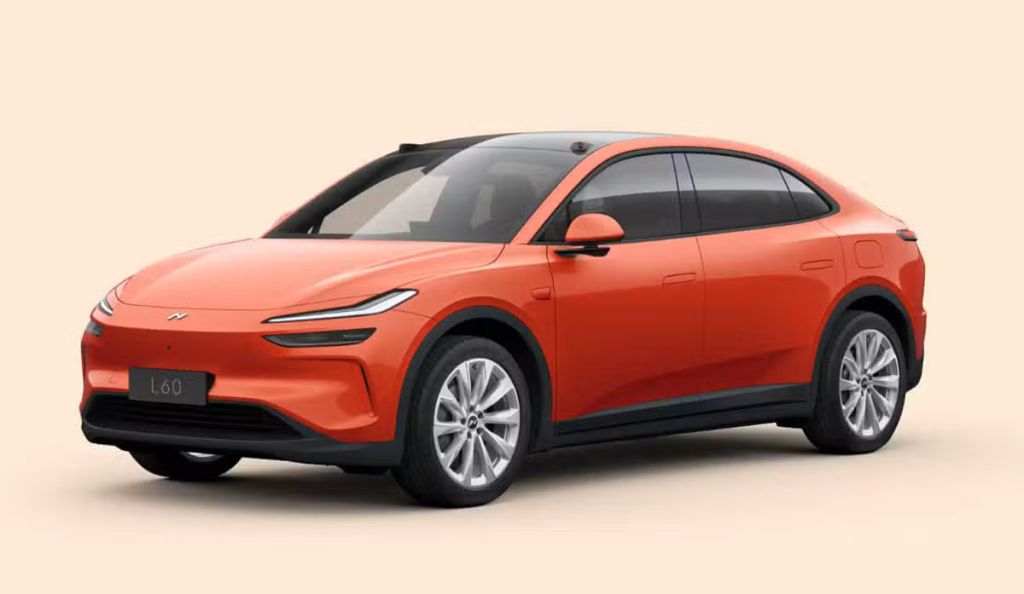
CATL is not the first Chinese EV-linked company to move into fusion. Nio invested 995 million yuan in Neo Fusion in 2023 for a 19.9% stake, while Nio Capital acquired a 10.1% stake.
Commercial fusion remains uncertain, and no company has yet delivered grid-scale fusion power as a routine business. But CATL’s backing of Beta Fusion signals that China’s battery leaders are looking beyond vehicles and energy storage toward the power systems that may define the next phase of clean-energy competition.