ASML rejects claim that prized chipmaking tool reached China
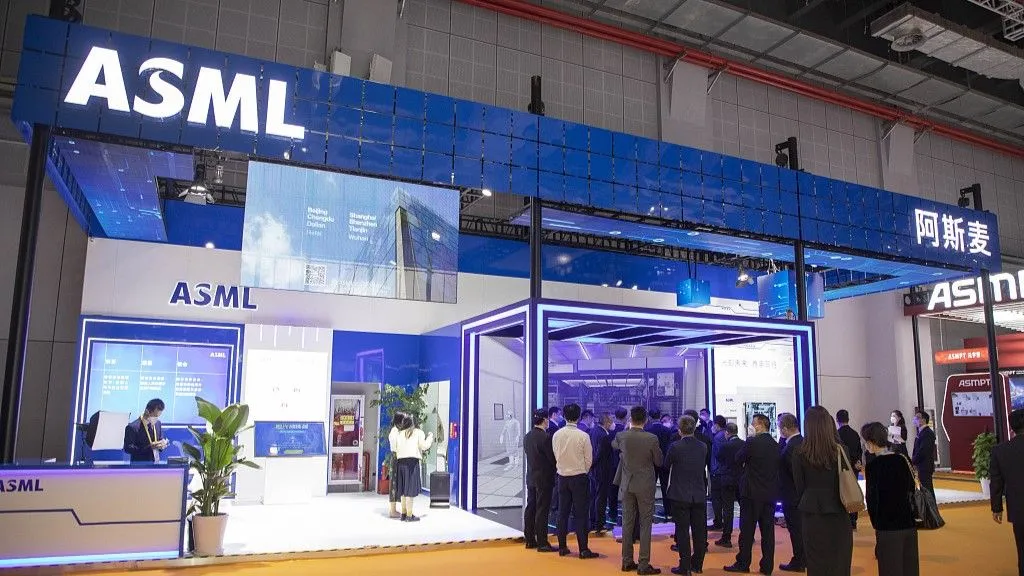
Dutch semiconductor equipment maker ASML is denying U.S. concerns that one of its most advanced chipmaking systems may have reached China, saying the claim is inaccurate and harmful to the company’s reputation.
The dispute centers on extreme ultraviolet lithography, or EUV, machines — bus-sized systems used to print the circuitry for the world’s most advanced semiconductors. ASML is the only company that makes them at commercial scale, giving the Netherlands-based supplier an outsized role in the global contest over artificial intelligence, military technology and advanced computing.
U.S. Commerce Secretary Howard Lutnick raised concerns in recent meetings with ASML executives that one of the company’s top systems may have made its way to China in violation of U.S.-led export controls, Bloomberg News reported, citing people familiar with the talks. No public evidence has been released to show that an EUV machine is operating in China.
ASML rejected the allegation, saying it has never shipped an EUV lithography system, or related EUV components, to China. The company said it tracks all 314 operating EUV systems and 26 retired systems, and none is in China, according to Tom’s Hardware.
“These rumors are inaccurate and damaging to our reputation,” ASML said, according to the report. The company said the machines are too large, too specialized and too tightly monitored to be secretly moved, dismantled or rebuilt without detection.
Export controls put ASML at center of U.S.-China rivalry
The allegation lands amid years of U.S. pressure on allies to keep China from obtaining the tools needed to make leading-edge chips. Washington has treated ASML’s EUV technology as a critical choke point because it enables production of the most powerful processors used in AI systems, smartphones, data centers and advanced weapons.
China has been blocked from buying ASML’s EUV systems since 2019, and additional U.S. and Dutch rules have tightened restrictions on some less advanced deep ultraviolet, or DUV, machines. The restrictions are intended to slow Beijing’s efforts to build a domestic high-end semiconductor industry.
ASML still does business in China, but mainly with older tools used for less advanced chips. In a January investor call, the company said it expected China to account for about 20% of its 2026 net sales, in line with its backlog for non-EUV systems.
Reports of a possible EUV transfer could intensify scrutiny of ASML at a delicate moment. U.S. lawmakers have proposed further curbs on exports of chipmaking equipment to China, while Dutch officials have sought to protect one of Europe’s most valuable technology companies from becoming collateral damage in Washington’s trade fight with Beijing.
For now, the central question remains unanswered: whether U.S. officials have evidence that an ASML system or key EUV technology reached China, or whether the concern reflects broader anxiety about Beijing’s attempts to copy or develop similar tools. ASML says the answer is clear: no EUV machine has been shipped to China, and none is there now.